Overwhelmed by Travel? Here’s How To Plan A Trip In 2 Hours!
Some posts may contain affiliate links. If you book or buy something through them, I may earn a small commission at no extra cost to you. Thank you for supporting the site!
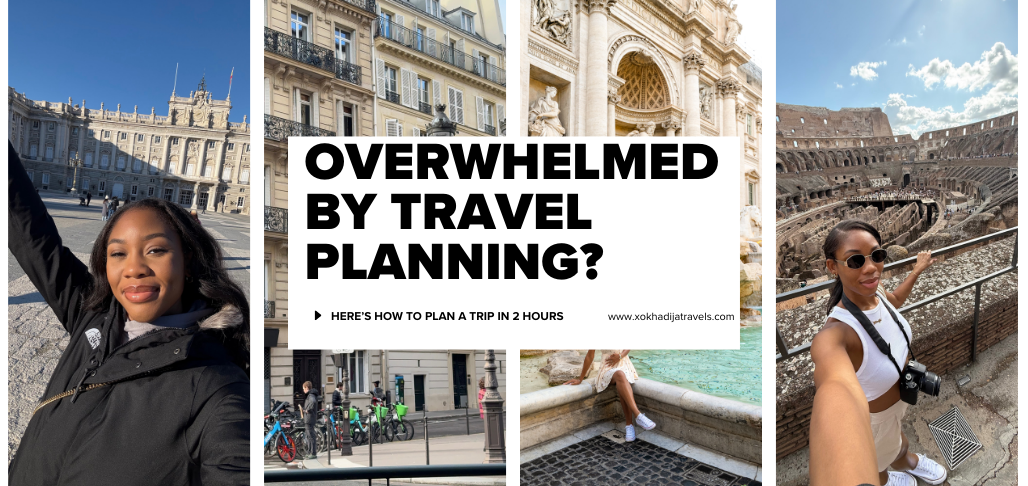
There was a time when planning a trip meant weeks of research for me. Dozens of tabs open. Hours on TikTok. Constant second-guessing. But between my 9–5, running four social media pages, and managing this blog, I simply don’t have that kind of time anymore.
So I had to learn how to plan smarter. Now I can plan an entire trip in two hours or less. I truly believe planning a trip doesn’t have to be stressful. The problem isn’t planning, it’s overplanning. You open 100 tabs. You scroll for hours. You compare every option. And then you’re too overwhelmed to book anything at all. And somewhere in all that noise, you start absorbing everyone else’s recommendations. You let them tell you what you should and shouldn’t do.
That’s a no for me.
If you want to know how to plan a trip fast, avoid decision fatigue, and still create a solid itinerary, here’s exactly how I do it.
First: What Does “Planning” Even Mean?When people hear “I plan a trip in 2 hours,” they assume I’ve color-coded an itinerary, bookmarked 37 restaurants, and mapped every single metro stop.
That’s not what I mean.
When I say I plan a trip in 2 hours, I mean I walk away with:
✔️ The exact flight I’m going to book — with the departure and arrival times I want
✔️ The hotel I’ve decided on
✔️ My travel dates locked in
✔️ 1–3 must-do activities
✔️ A simple daily framework
That’s it!
My Quick Research Shortcut
When I need a fast overview of a destination, I search:
- “24 hours in [city]”
- “3-day itinerary in [city]”
- “Best things to do in [city]”
These posts give you the highlight reel — top attractions, best neighborhoods, and key experiences.
From there, I choose 1–3 must-do activities and build around them.
Planning a trip fast doesn’t mean cutting corners, it means securing the foundation first.
Once the foundation is set, everything else becomes flexible. And then I start booking.
If you’re planning a 3-day weekend trip or a short international getaway, you don’t need a 14-page itinerary.
You need:
A clear arrival plan
A place to sleep
A few must-do experiences
A general direction for each day
Everything else can unfold naturally once you’re there.
You can always find more things to do, through local recommendations, tour guides, or even hotel staff.
Keep Reading: Where To Travel When You Only Have 3 Days Off, First Time Traveling Alone? 10 Tips for Planning Your Solo Trip
But What If It’s International?Planning a trip abroad doesn’t have to be complicated; it’s mostly the same process as planning a domestic trip. The only added layer is making sure your travel documents and entry requirements are in order:
✅ Passport – Make sure it’s valid for at least six months beyond your travel dates (some countries require this).
✅ Visa or Entry Authorization – Check whether you need a visa, eTA, or travel authorization, and how long it takes to get approval.
✅ Health Requirements – Some destinations require vaccination proof or specific documentation.
✅ Travel Alerts & Safety Updates – Review official guidance before booking.
The best place to confirm this information is your government travel advisory website. It highlights everything from visa rules to safety updates, helping you plan with confidence.
Use Social Media as a Planning ShortcutSocial media is one of my biggest time-savers when planning international trips. TikTok and YouTube have given me real-time insights, tips, and local hacks I wouldn’t have discovered otherwise.
Use Social Media Strategically
- Look for local experiences like walking tours, food tastings, or free events.
- Save or bookmark posts with actionable advice instead of endless scrolling.
- Focus on 1–3 must-do activities for your trip — everything else can be flexible.
- Check multiple creators to get different perspectives on the same city.
For example, before my trip to Amsterdam, I found a free walking food tour on TikTok, something I had never even considered. Since then, I’ve done free walking tours in Amsterdam, Madrid, and Rome, and they’ve become one of my favorite ways to explore a city affordably. I always check when the video was posted to make sure the information is recent, especially for restaurants, pricing, and transportation.
Pro Tip: Use social media as a tool, not a time trap. Don’t get lost in endless scrolling. Look for actionable advice, then move on.
What If I Miss Something Important?Here’s the truth: you will always miss something. And that’s okay.
On my 3-day trip to Madrid, I completely missed visiting Toledo and Segovia, both just 30 minutes away by train. Did it ruin my trip? Absolutely not. It gave me a reason to go back.
You will never see everything in one visit. Letting go of that pressure makes planning faster, easier, and less stressful. Focus on your must-do experiences, and leave space for discoveries along the way.
The 2-Hour Planning FlowHere’s the timeline I use when planning a short weekend trip or 3-day itinerary.
Step 1: Choose the Destination (20 Minutes)
Pick from a shortlist of 2–3 cities. Google Flights is my best friend; it shows all airlines, flight times, layovers, and prices at a glance.
Sometimes, the trip revolves around a specific activity, like a studio tour, concert, or festival. For example, I planned a 3-day London trip to attend the Warner Bros. Studio Tour, The Making of Harry Potter Dark Arts event. The experience was the reason for the trip; everything else filled in around it.
When choosing a destination, I follow one simple rule:
Either the flight is my version of affordable
Or there’s a must-do experience I can’t get anywhere else
Avoid overthinking. This step sets the foundation.
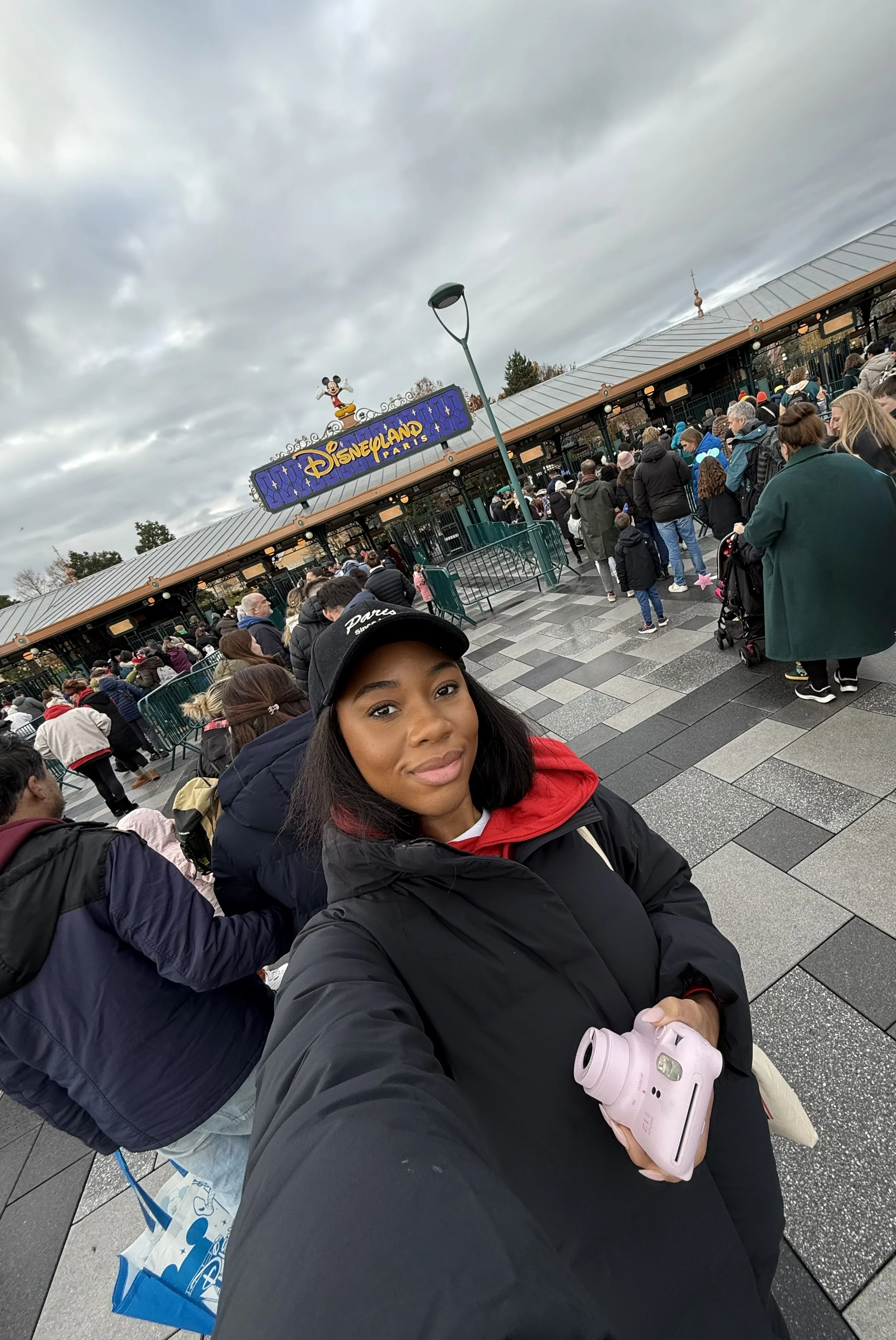
I’ve traveled for concerts, theme parks, relaxing weekend resets, Halloween events, and the reasons are honestly endless.



Step 2: Book Flights
I always choose destination first, then flights.
Europe from New York: I prefer overnight non-stop flights so I land in the morning ready to explore.
Nearby destinations (e.g., Miami or Cancun): I take the earliest flight possible.
Rule of thumb: Don’t spend more time flying than exploring. For short trips, ideally keep travel under 7 hours.
Step 3: Book the Hotel
Central location is key
Strong Google reviews
Check the street view on Google Maps
Look for walkthroughs on TikTok or YouTube
For solo travel, I almost always choose hotels over Airbnbs for safety, convenience, and peace of mind.
That said, if you’re traveling on a tighter budget, Airbnbs or well-rated hostels can be great, more affordable alternatives, especially in expensive cities. Location matters, especially on a short weekend trip. Staying central saves time, reduces transportation stress, and makes it easier to explore without overcomplicating your itinerary.
Here are some hotels I’ve personally stayed at (or have saved for future trips) that are central, clean, and genuinely worth it.
If you’d like more detailed reviews, I share hotel breakdowns — including pricing — on my TikTok and Instagram.
You can also use my affiliate link below to book. If you reserve anything through it, I’ll earn a small commission at no extra cost to you. It’s a simple way to support my content while planning your trip 🤍
Step 4: Reserve 1–3 Must-Do Activities
These are the experiences that shape your trip:
A Broadway show or live event
A museum or gallery visit
A guided tour or day trip
These are the anchors of your itinerary.
Book these immediately. Once your must-do experiences are secured, everything else, restaurants, coffee shops, and spontaneous stops, can stay flexible.
For tours, tickets, and day trips, I usually book through GetYourGuide. It’s been consistently reliable for me, and I love that you can browse by city or country to see what’s available in one place.
You can check out my storefront to explore activities by destination, or simply search any city you’re visiting to see what’s offered.
If you book anything through my link, I’ll earn a small commission at no extra cost to you. It’s an easy way to support my blog while planning your trip 🤍
Step 5: Create a Loose Structure
Mornings are structured; afternoons are open.
Day 1: Arrival + neighborhood exploration (self-guided walking tours)
Day 2: Major activity in the morning, flexible afternoon
Day 3: Secondary attraction + relaxed wandering
I use Google Maps to favorite locations and create clusters. This helps me move efficiently without being glued to my phone.
Keep Reading: How to Plan Your First 24 Hours in a New City
Limited PTO? No ProblemMaximize your time off by combining smart travel strategies:
Depart Thursday night, return Monday morning
Use holiday weekends to extend short trips
Take overnight flights to save daytime
Example: For MLK weekend in Madrid, I left Thursday night and returned Monday morning — almost 3 full days without burning extra PTO.
Smart planning isn’t about cramming everything in. It’s about using your time intentionally.
Final ThoughtsYou don’t need to plan perfectly. You need to plan enough.
Book the foundation
Secure your must-dos
Leave space for magic
Some of the best travel moments are unplanned. Start with a simple 3-day framework and build from there. It’s not impossible, you may be just overthinking.

You Might Also Like…