First Time Traveling Alone? 10 Tips for Planning Your Solo Trip
Some posts may contain affiliate links. If you book or buy something through them, I may earn a small commission at no extra cost to you. Thank you for supporting the site!
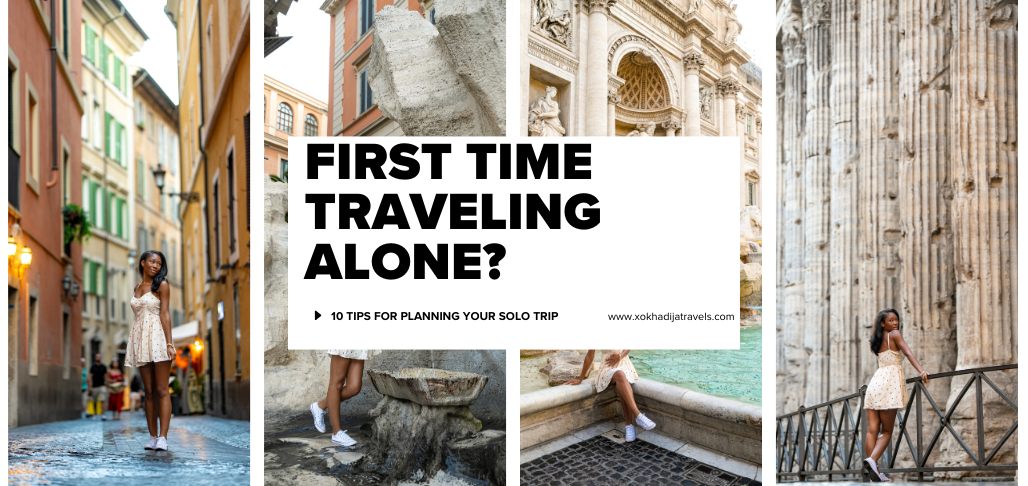
So, you’re ready to plan your first solo trip—how exciting!! Even just deciding to go is a big step. Solo travel has a way of expanding your confidence and shaping how you see the world (and yourself).
And yes, the planning stage can bring up some nerves—especially when you’ve never done it before. That’s totally normal. The goal isn’t perfection; it’s to show up prepared enough to enjoy the adventure.
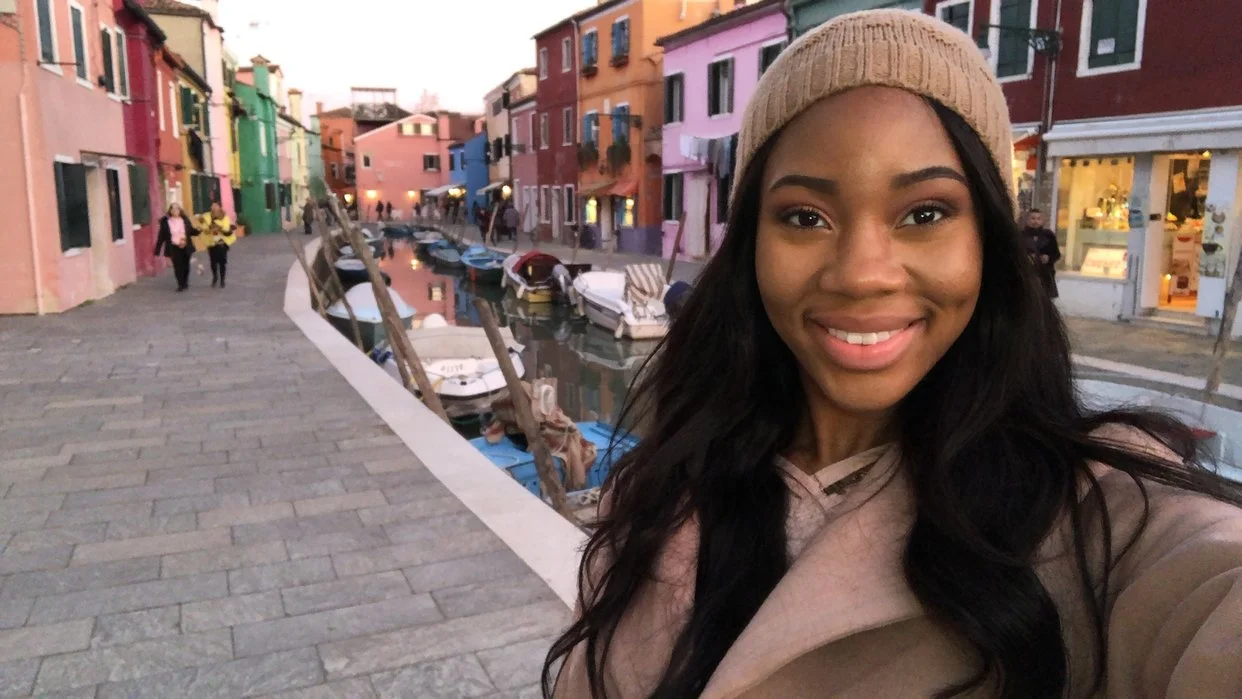
First solo trip to Venice, Italy, November 2017
To help you out, I’ve put together 10 tips that will make planning your first solo trip smoother, safer, and so much more enjoyable.
(And don’t worry—I also created a free solo trip planning guide just for you. It’s designed to make planning easier and more intentional. Keep reading to grab it.)
⸻
First things first: Let’s celebrate!
You’re doing something big. Something a lot of people won’t even consider doing. You’re planning a trip for you, by you. You’re not waiting on someone to be ready. You’re not holding off for the “perfect” moment. Or the right person. It’s bold. It’s a little scary. But it’s going to be so fun—and an experience you’ll always remember (and tell exciting stories about for years to come).
Who is this for? This post is for anyone who’s totally lost with planning. Maybe you’ve always traveled with someone who handled everything. Maybe you’ve relied on travel agents. Or maybe you just want to make sure you’re doing things “right” before you book anything. No matter what brought you here, you’re in the right place — and we’re going to make this way less overwhelming.
1. Define your trip vibe and comfort levelStart With Your “Why”
Before you start looking at flights or scrolling Pinterest boards, take a moment to figure out what you actually want out of this trip because solo travel is the first time you get to prioritize yourself without compromise.
Ask yourself:
What do I want from this trip?
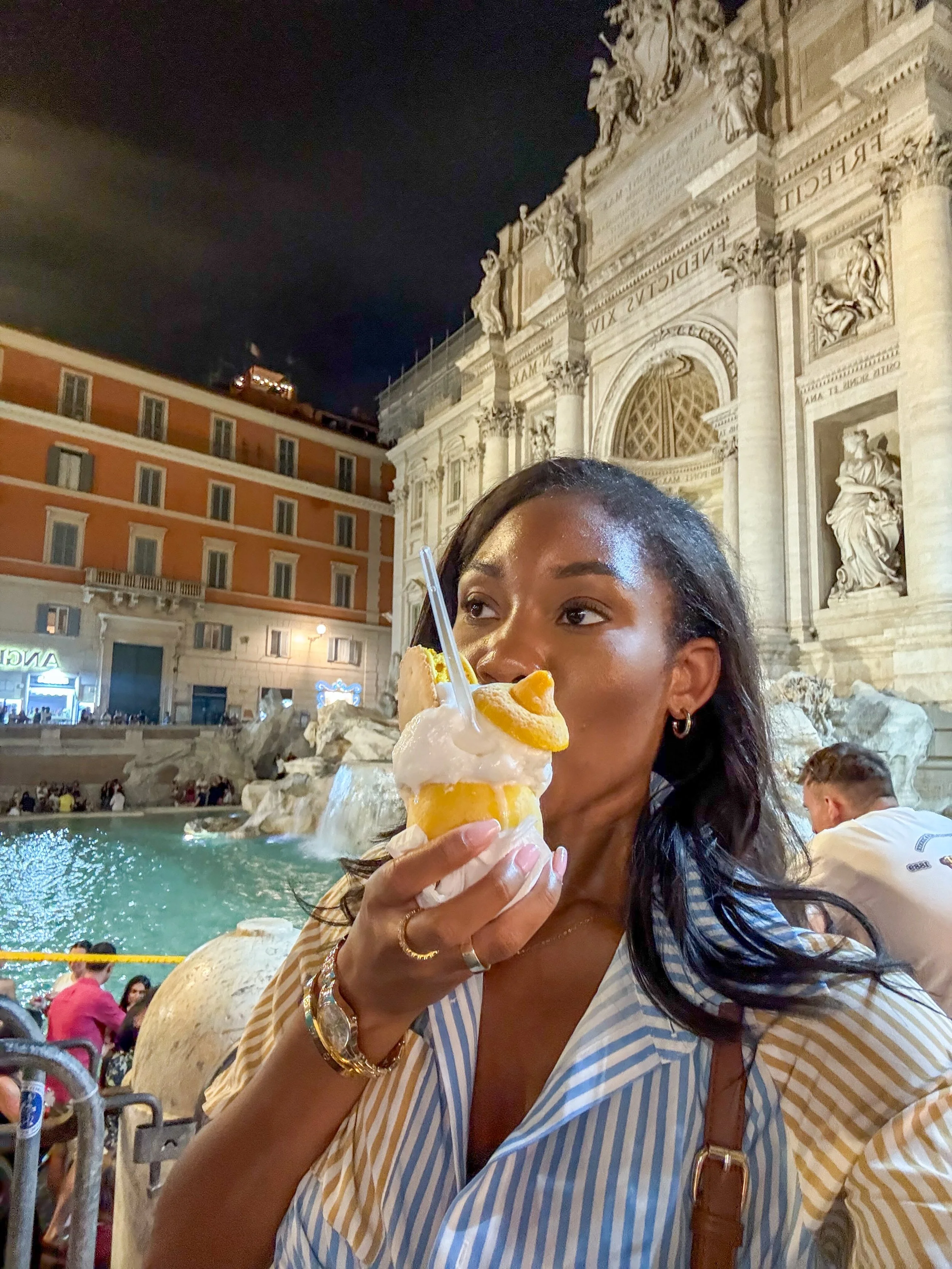
Eating a lemon sherbet in Rome, Italy, September 2025
Relaxation? Adventure? Discovery? Do you want to meet people and socialize, or keep it quiet and introspective? Do you want late-night drinks and rooftop bars, or museums, food tours, and long walks through new neighborhoods?
There’s no “right” way to travel — there’s only what feels good to you.
Also consider your personal comfort levels:
Know your limits:
• Language barriers — Do you feel okay navigating a place where people may not speak English?
• Walkability — Do you like walking in cities or prefer taxis/public transport?
• Safety — Do you prefer busier tourist hubs or quieter towns?
• Crowds — Do bustling cities energize you or drain you?
• Solitude — How much alone time do you actually enjoy each day?
• Vibe — Are you seeking calm or stimulation? Structure or spontaneity?
This will help you narrow down destinations that actually fit you — not what looks “cool” on social media or what other people think you should do.
The best part about solo travel?
You’re not accommodating anyone else’s needs, energy levels, or preferences. It’s your trip. You get to decide the pace, the vibe, the itinerary, and the mood.
That’s the beauty — and the freedom — of traveling alone.
2. Get real about solo timeOne of the biggest mindset questions for first-time solo travelers is: Do you actually enjoy spending time alone?
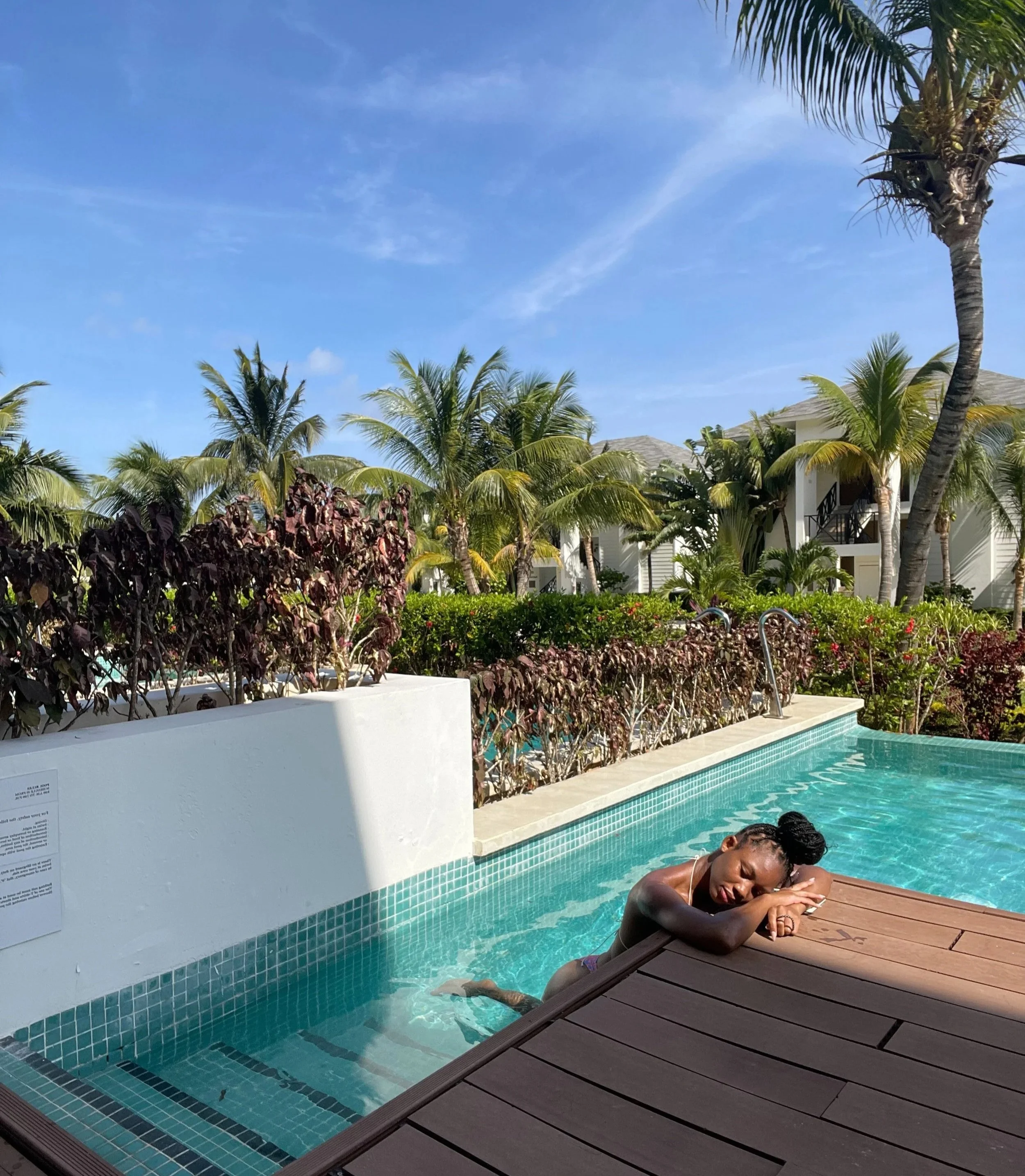
Falmouth, Jamaica, Excellence Oyster Bay All Inclusive, June 2023
Some people thrive in quiet independence. Others feel energized when surrounded by movement, noise, and other people. Neither is better — but it does affect the kind of trip you’ll enjoy.
Ask yourself:
• Have I ever taken myself on a solo date?
• Can I sit down and enjoy a meal alone without feeling awkward?
• Can I spend a few hours wandering alone without reaching for someone to talk to?
• Do I need constant stimulation or conversation, or do I like room to breathe?
Eating alone is one of the things most people worry about before their first solo trip. But here’s the truth: no one is paying that much attention to you. Especially in bigger cities (NYC is a great example), everyone is busy living their own main-character moment.
My sister always tells me, “The world doesn’t revolve around you.” (Rude, but also… fine, she’s right. Even though it absolutely should.)
If the idea of being alone makes you nervous, don’t panic — it’s a skill you can build. Start small:
Take yourself out to brunch
See a movie alone
Walk through a museum with no one to rush you
Sit at a bar and order a drink or dessert
Wander a new neighborhood with headphones in
These little “practice reps” make solo travel feel much less intimidating because you're not experiencing complete solitude for the first time in a foreign country.
I wrote a separate post about preparing for solo travel (including solo date ideas!), which you can read here
3. Set a realistic budget Get Real About Your Budget (Before You Pick a Destination)
Before you start Googling “best places to travel solo” or saving Pinterest boards, get clear on what you’re willing to spend. Your budget often determines the where, the when, and the how of your trip, especially if it’s your first one.
Break it down by category so nothing sneaks up on you:
• Flights — Track prices using apps like Google Flights, Hopper, and Skyscanner.
• Lodging — Decide what you’re comfortable with: hotels, hostels, Airbnbs, boutique stays, etc.
• Food — Are you a “three sit-down meals a day” traveler or a “pastry + coffee + street food” traveler? Both are valid, just different price points.
• Activities — Think tours, museums, cooking classes, spas, nightlife, entrance fees — whatever excites you.
• Transportation — Will you rely on public transit, Uber, taxis, scooters, or a rental car?
• Safety Cushion — Always leave room for surprises (emergency meds, last-minute dinners, baggage fees, etc.).
Having a clear budget makes choosing a destination way easier. It helps you figure out whether you’re doing a beach resort in Mexico, a city escape in Europe, or backpacking through Southeast Asia. Solo travel doesn’t have to drain your wallet; it just requires intention.
🧠 Pro Tip: I use a simple Google Sheet or the Notes app to map out estimated costs before I book anything. Seeing the numbers in front of you gives you clarity and avoids that “oh no, I didn’t budget for this” spiral later.
4. Check travel advisories and entry requirementsBefore you book anything, do a quick reality check on the basics. It doesn’t matter how dreamy a destination is if the logistics are a headache; it can make your first solo trip feel harder than it needs to be.
Ask yourself:
• Is this destination safe for solo travelers?
• Are there neighborhoods or areas to avoid?
• Are there common tourist scams to watch out for? (Almost every major city has them, it’s not about fear, it’s about awareness.)
There are great resources online that break this down without being alarmist:
• U.S. State Department Travel Advisories
• UK Foreign Travel Advice
• CDC Traveler’s Health (for vaccines & health notices)
This step isn’t meant to scare you — just to set expectations so you feel prepared instead of surprised.
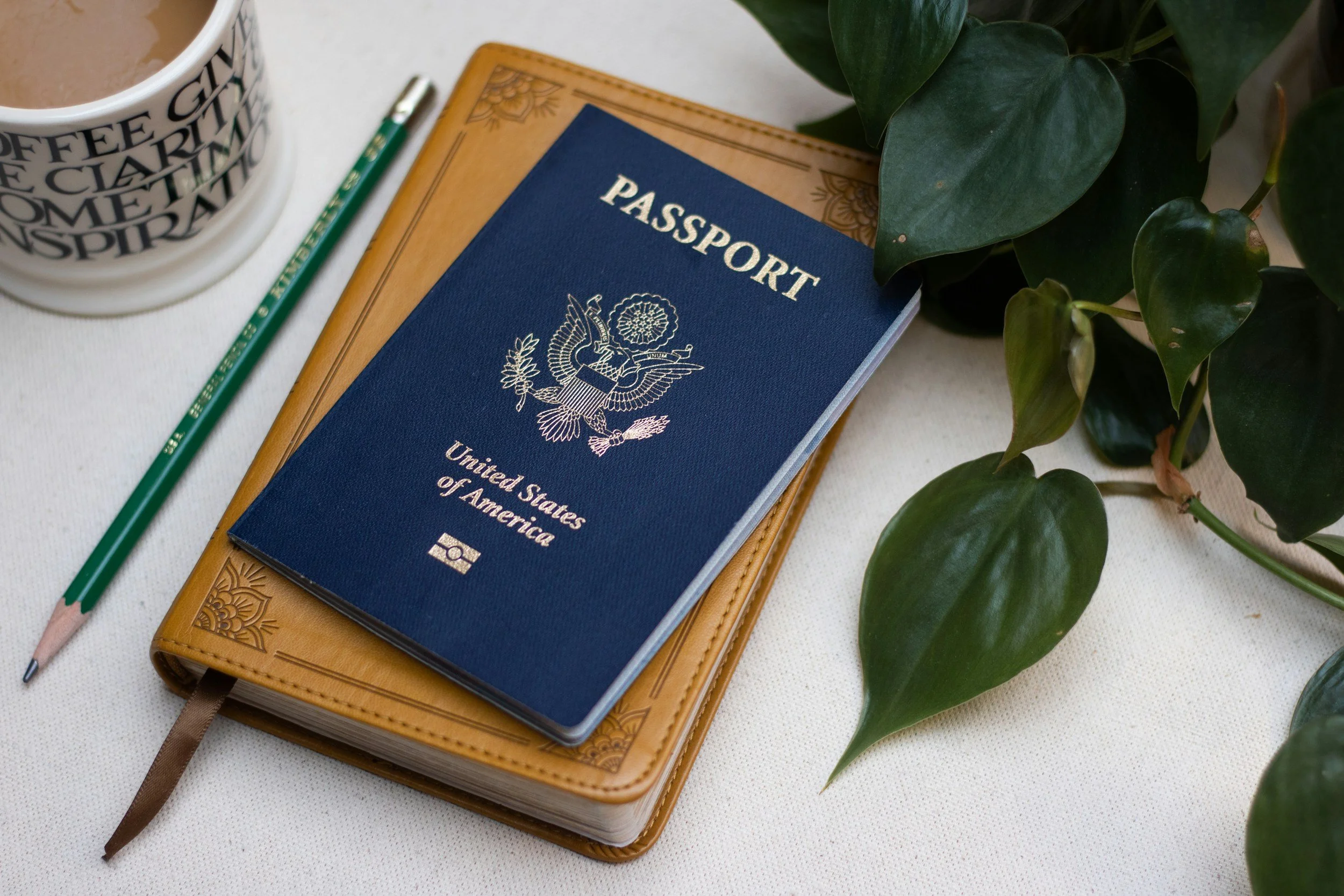
Passport, Visas, and Entry Requirements
If you’re traveling internationally, check your passport now.
A lot of countries don’t just want it to be valid — they want it to be valid for 6 months after your return date.
Depending on where you're going, you may also need:
• Visas (sometimes applied for in advance, sometimes on arrival)
• Proof of onward/return travel
• Proof of sufficient funds
• Vaccine records or health forms
• Travel insurance (required for some destinations)
These little details can make a huge difference — no one wants to be that person scrambling at the airport.
Heads Up for U.S. Travelers
Starting in 2025, U.S. citizens visiting the UK will need an ETA (Electronic Travel Authorization) before entering. Writing this post literally reminded me to apply for mine.
5. Do your research like a proOkay, this is where things get exciting. You’ve figured out your vibe and your budget — now it’s time to find destinations that actually match the way you like to travel.
There are endless ways to gather inspiration, but here are my favorites:
📱 TikTok + IG Reels — Search “Things to do in ___” or “Solo travel ___” for real-life perspectives and hidden gems.
🎥 YouTube — Day-in-the-life vlogs tell you what a place feels like, beyond the highlight reel.
📌 Pinterest — Great for visual planning, itineraries, and aesthetic ideas. Pinterest is basically the mood board of travel.
Use Your Interests (Not Just Geography)

Warner Bros. Studio Tour London, Halloween 2025
You’re not just a traveler — you’re a whole person with hobbies and obsessions, and you should absolutely travel like it.
I’m into Harry Potter, The Vampire Diaries, books, and concerts, so my algorithm is constantly feeding me cool events and experiences I’d never know about otherwise.
That’s how I learned about BookCon NYC (2026). And how I ended up at Comic Con. And how I justified flying to St. Louis for Beyoncé’s Renaissance Tour (zero regrets, highly recommend concert travel).
Let your interests lead you — it makes solo travel feel more personal and way more fun.
Research the Practical Stuff Too
Beyond inspo, look into things that affect comfort and logistics:
• Weather + best time to visit
• Local transportation (metro, buses, rideshare, walking, trains)
• Cultural expectations + social norms
• Currency + tipping customs
• Safety or scam awareness
• Phone/data situation (eSIMs, SIM cards, roaming)
Small details like this can radically improve your experience — especially if you’re traveling solo and want to avoid surprises.
Tools That Make Research Easier
Apps I swear by:
• Rome2Rio — shows how to get from point A to B (bus, train, ferry, flight)
• Omio — books trains + buses in Europe without confusion
• Google Flights — flexible date search is elite for deal hunting
• GetYourGuide — for tours, classes, day trips, tickets
This kind of research keeps trips from becoming chaotic and makes you feel more prepared — which is especially comforting if it’s your first time traveling alone.
6. Pick a destination with purposeOnce you’ve gathered inspo, it’s time to narrow down the options. Instead of picking a place because it’s trendy or “everyone is going,” choose a destination that aligns with your interests, energy, and comfort level.
Ask yourself:
• What kind of trip do I want? Relaxing, adventurous, cultural, social — or a mix?
• What will the weather be like when I’m going? Weather can make or break a destination.
• Am I okay with traveling off-season? Off-season can mean lower prices, fewer crowds, and more authentic experiences.
• Is there a place I’ve always wanted to visit — even if no one else gets it? Solo travel is the one time you don’t have to justify your choices.
• Is there an event I can build a trip around? Festivals, concerts, exhibitions, sports events, conventions — these make travel more meaningful.

Majestic Elegance Costa Mujeres, August 2024
Sometimes I’m in my “put me under an umbrella with a drink” era. Other times I want to wander cities, museum-hop, find bookstores, and people-watch from cafés. Your mood + timing can guide your destination more than you think.
The best part? You don’t need anyone’s approval. Solo travel means you choose the vibe, and the world adjusts to you, not the other way around.
7. Learn a few local phrases If you’re traveling internationally, learning a little bit of the language goes a long way. You don’t need to be fluent, you just need functional basics like:
• Hello
• Excuse me
• Thank you
• Goodbye
• Where’s the bathroom?
• Do you speak English?
These tiny phrases make everyday moments easier, and locals genuinely appreciate that you tried. It shows respect, curiosity, and cultural awareness — three things that make travel feel more rewarding.
Apps like Google Translate and Duolingo make this super easy. Download the language offline in Google Translate so you can use it without Wi-Fi or data (a lifesaver when solo).
Most major cities are English-friendly, but don’t rely on that. Even knowing how to say “thank you” in the local language makes interactions warmer and more human.
Being solo means you’re interacting with the world directly; a little language effort makes those connections feel richer and more fun.
8. Research transportation options 🚆Before you arrive, think about how you’re actually going to move through the destination. Transportation can make or break a solo trip, especially if you’re nervous, tired, or jet-lagged.
Ask yourself:
• Is public transit reliable and safe?
• Is the city walkable?
• Will I be using Uber, taxis, or a local ride app?
• Do I need to rent a car to explore outside the city?
If You’re Renting a Car Abroad
Do a quick check on:
• International Driving Permit (IDP) — Some countries require it
• Automatic vs. Manual — Most rental cars in Europe are manual; automatic costs more
• Road confidence — Are you comfortable navigating roundabouts, scooters, mountain roads, etc.?
• Solo safety — Avoid isolated drives at night if it makes you uneasy
Driving can give you insane freedom (especially in places like Iceland, Ireland, or the Italian countryside), but don’t feel pressured, solo travel is about choosing what makes you feel good.
Real Destination Examples

Greece:
Are you staying on one island or hopping around? Ferries vary by speed and comfort, and flights can save time during shorter trips.
Italy:
Going from Rome → Florence → Venice? The train system is fast and easy.
Use Trenitalia or Italo to compare routes and prices.
Japan:
If you’re bouncing between Tokyo, Kyoto, and Osaka, look into the JR Pass for train travel.
Spain:
Between Madrid and Barcelona, trains are often faster than flying.
Helpful Apps for Route Planning
• Google Maps — for walking, transit, and driving routes
• Rome2Rio — compares buses, trains, ferries, flights, and travel times
• Citymapper — great for major transit-heavy cities
• Omio — books trains + buses in Europe
• Uber/Bolt/Grab — depending on region
Transportation is something people underestimate, but knowing this ahead of time removes a ton of stress, especially when you’re navigating solo.
9. Book your essentials early Lock in your flight and at least your first few nights of accommodation early. This gives you a solid landing pad, makes arrival less chaotic, and usually means:
• better prices
• better flight times
• better accommodation options
Even if you’re normally a “wing it” traveler, it’s smart to have something secured for night one. After a long travel day, knowing exactly where you’re going to sleep is priceless.
If you’re staying longer, you can either:
• book your full stay upfront (more certainty), or
• book the first few nights and figure out the rest on the road (more flexibility)
Neither option is wrong, it just depends on your vibe and comfort level.
10. Share your itinerary with someone you trust This one’s about safety — not paranoia.
Before you go, send a trusted person your:
flight info
lodging details
daily city or region
rough itinerary (even just highlights)
When you land, check in. When you move cities or countries, check in. You don’t need to be glued to your phone — a quick “I’m good!” text is enough.
It’s simple, low-effort, and truly matters if something unexpected happens.
Safety isn’t about limiting you — it supports your freedom.
Remember — you don’t need to have everything figured out to travel alone. You just need curiosity, intention, and the courage to book the ticket. The rest you’ll learn as you go (and trust me, that’s part of the fun).
If you want a little help organizing your dream trip, I made something for you:
Save this post so you don’t lose it, and share it with another future solo traveler who needs the push!
The world is waiting for you, no permission required. ❤️
xoxo, KhadijaYou Might Also Like…