Things to Know Before Traveling to New York City
Some posts may contain affiliate links. If you book or buy something through them, I may earn a small commission at no extra cost to you. Thank you for supporting the site!

Planning your first trip to New York City? Let me tell you now, you’re going to have the best time. And I’m not just saying that because I was born and raised here.
Of all the cities I’ve traveled to, there’s truly no place like NYC. From the Brooklyn Bridge and One World Trade Center to the Empire State Building and countless neighborhoods with their own personalities, there’s always something happening. It doesn’t matter how many days you spend here; if you enjoy loud noises, fast-paced energy, and the occasional mysterious drips in the subway, you’ll love New York and probably come back.
That said, NYC can feel overwhelming, especially for first-time visitors. So here’s everything you should know before traveling to New York City: the logistics, money, safety, and expectations people usually stress about.
1. How Do You Get Around NYC Without a Car?Getting around New York City without a car is not only possible, but it’s also the best way to do it.
Most locals rely on:
The subway
Walking
The occasional Uber (usually when running late)
Before visiting NYC, expect to:
Walk a lot (wear comfortable shoes)
Use the subway daily (OMNY tap-to-pay makes it easy)
Deal with unpredictable weather and aggressive AC, layers are key
Leave the rental car at home
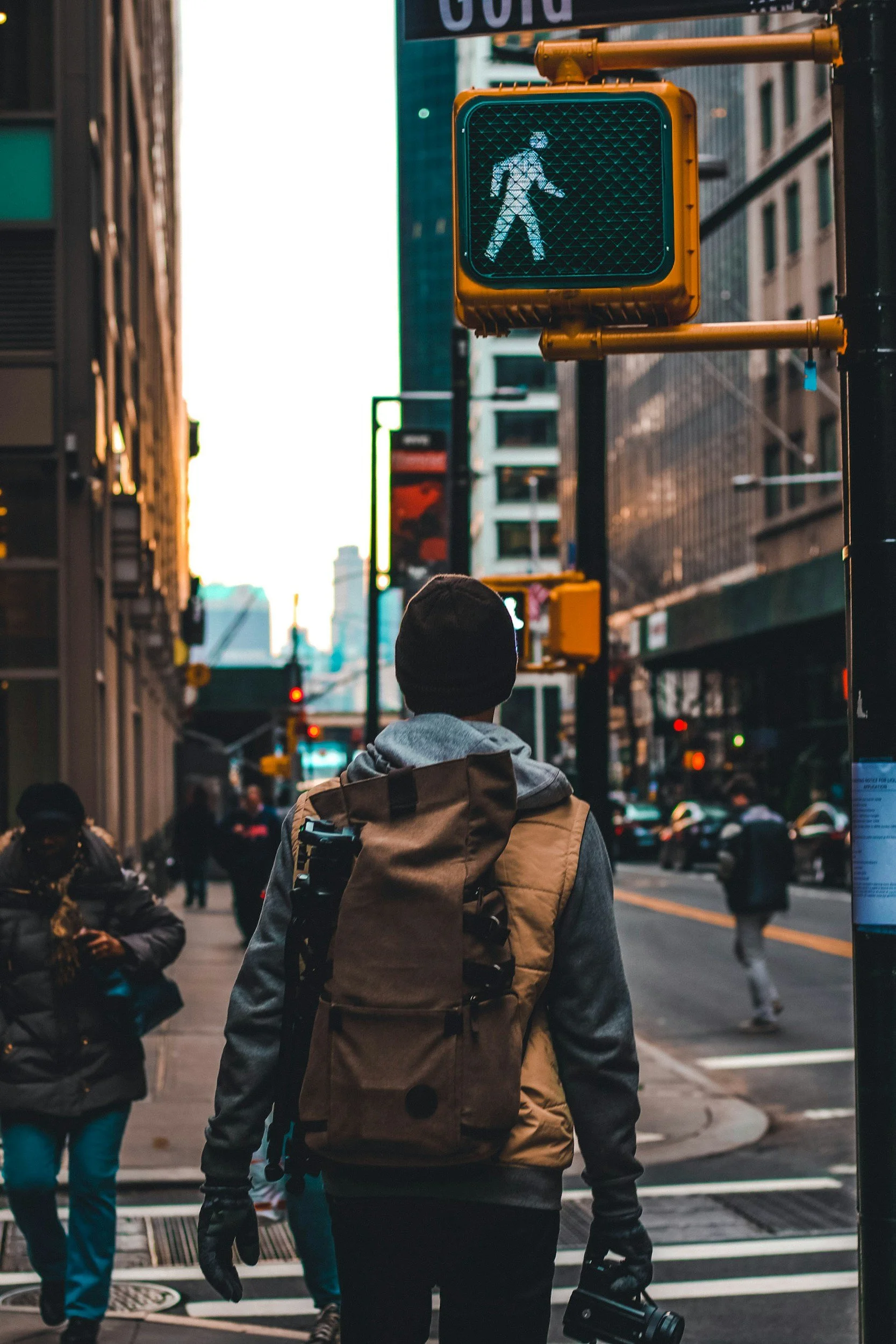
The subway is convenient and affordable. If trains are running on time, you can get almost anywhere, including parts of New Jersey, via the PATH train or NJ Transit. As someone who doesn’t even have a driver’s license, I can confidently say public transportation and walking are the best ways to get around New York City.
Driving is usually more stressful than it’s worth. There’s constant traffic, limited parking, and tickets add up fast. You can arrive early and still end up late searching for parking.
Subway fare is flat-rate: $3.00 per ride, whether you’re traveling one stop or twenty-four.
When to use what:
Walking: Short distances, sightseeing, nice weather
Subway: Longer distances, daily travel
Uber: Late nights, luggage, emergencies (expect higher prices)
2. Is New York City Safe for Solo Travelers?New York City is as safe as any major global city. The same rules apply here as they would in LA, Rome, or Tokyo.
Basic safety tips:
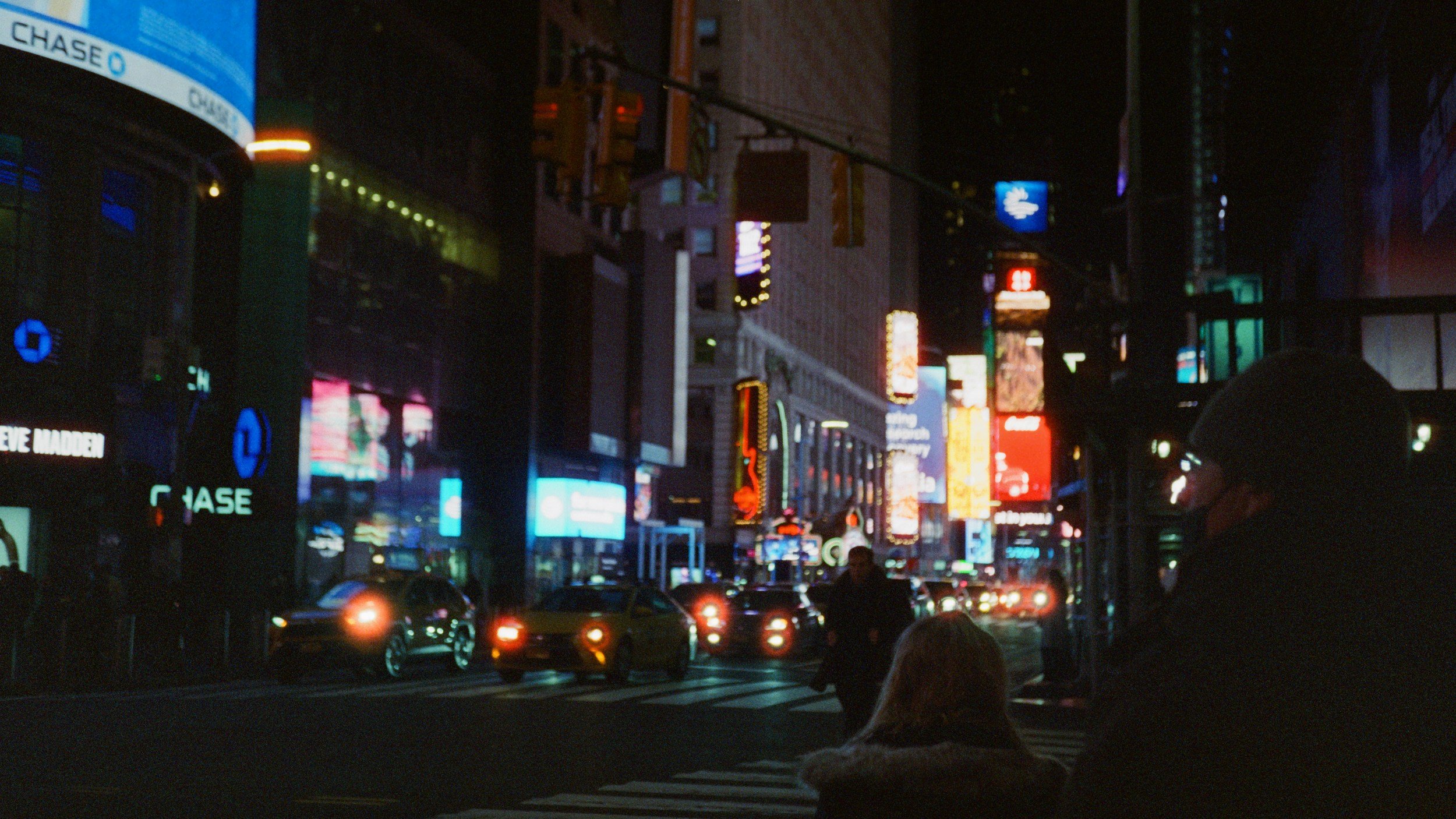
Be aware of your surroundings
Keep an eye on your belongings
Avoid empty subway cars late at night
Trust your instincts
As a tourist, it’s best to stick to neighborhoods near attractions and major subway lines. Many outer residential areas don’t offer much for visitors anyway, especially if you’re unfamiliar with the city.
You don’t need to be paranoid, just alert.
3. How Much Money Should You Budget Per Day in NYC?New York City adds up fast, so budgeting realistically is important, especially if this is your first visit. How much you spend per day will depend on your travel style, but having a general range helps you avoid surprises.
Transportation Costs in NYC
NYC uses a flat-rate fare, meaning you pay the same price whether you’re riding one stop or across the entire city. OMNY tap-to-pay makes things easy, just tap your phone or card and go.
Ubers and Lyfts can be convenient but expensive, especially when traveling between boroughs. Congestion pricing, traffic, and peak hours can cause prices to jump quickly. Rides from Brooklyn to Manhattan or to the airport can easily hit $70–$100.
Budget tip: Use the subway during the day and save Ubers for late nights or airport trips.
Food Costs: What to Expect in NYC
Food is where most people underestimate their spending.
Casual meals: $15–$25 per person
Sit-down restaurants: $25–$45+ per person (before tax and tip)
Coffee + pastry: $7–$10
Dining out isn’t cheap unless you catch a lunch special, which many NYC restaurants offer between 11am and 4pm. For example, Jacob’s Pickles has lunch specials around $20 that are filling and worth it.
Food trucks are your best friend if you’re trying to save money. They’re everywhere, fast, and usually under $15. Smorgasburg is also a great option with multiple locations and tons of variety, perfect for trying different foods without committing to one expensive meal.
Budget tip: Balance one sit-down meal with food trucks or grab-and-go options each day.
Attractions & Activities Costs
NYC attractions can be pricey, so prioritize what matters most to you.
Observation decks (Top of the Rock, The Edge, SUMMIT): $38–$50
Broadway shows: $70–$200+
Museums: $25–$30 (some are pay-what-you-wish on certain days)
Keep Reading: Visiting the 9/11 Memorial & Museum
You don’t need to do everything in one trip. Pick a few must-do activities and plan the rest around free or low-cost experiences.
To save money:
Use GetYourGuide for discounted tours and attraction bundles
Follow @nyc_forfree for weekly free events, pop-ups, and exhibits
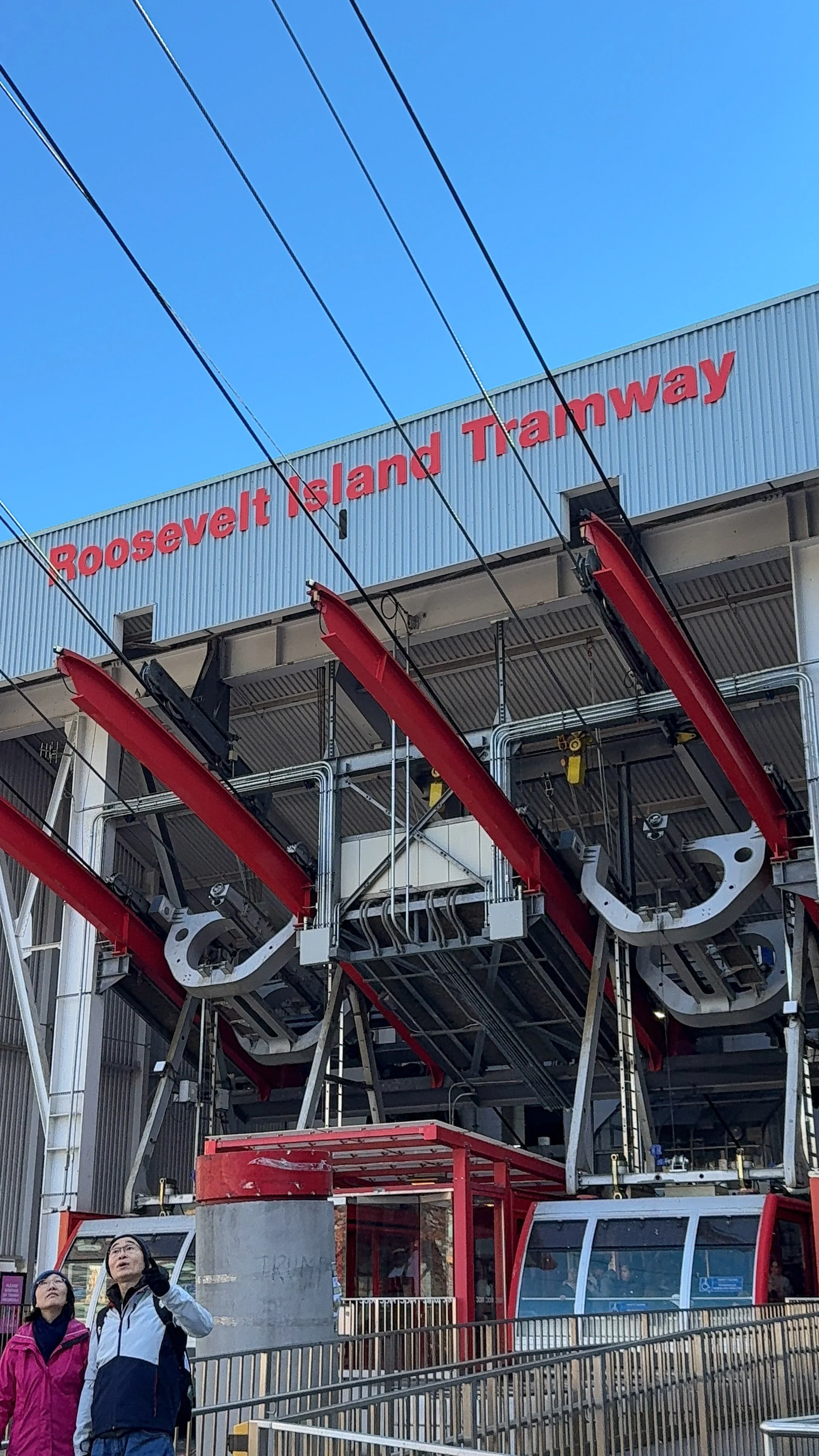
Take advantage of free activities like walking the Brooklyn Bridge, exploring Central Park, or visiting public libraries and markets




Realistic Daily Budget Ranges
Here’s a rough idea of what to expect per person, per day (not including hotel):
Budget traveler: $75–$100
Mid-range traveler: $120–$180
Comfort traveler: $200+
NYC can be done on a budget; you need to plan intentionally.
4. Best Neighborhoods to Stay in for First-Time VisitorsFor your first trip to New York City, staying in Manhattan or Brooklyn is your best bet. These areas are the most convenient, walkable, and well-connected by subway, meaning less travel time and more time actually enjoying the city.
Best Areas to Stay in Manhattan
Manhattan is ideal if you want easy access to major attractions, restaurants, and public transportation.
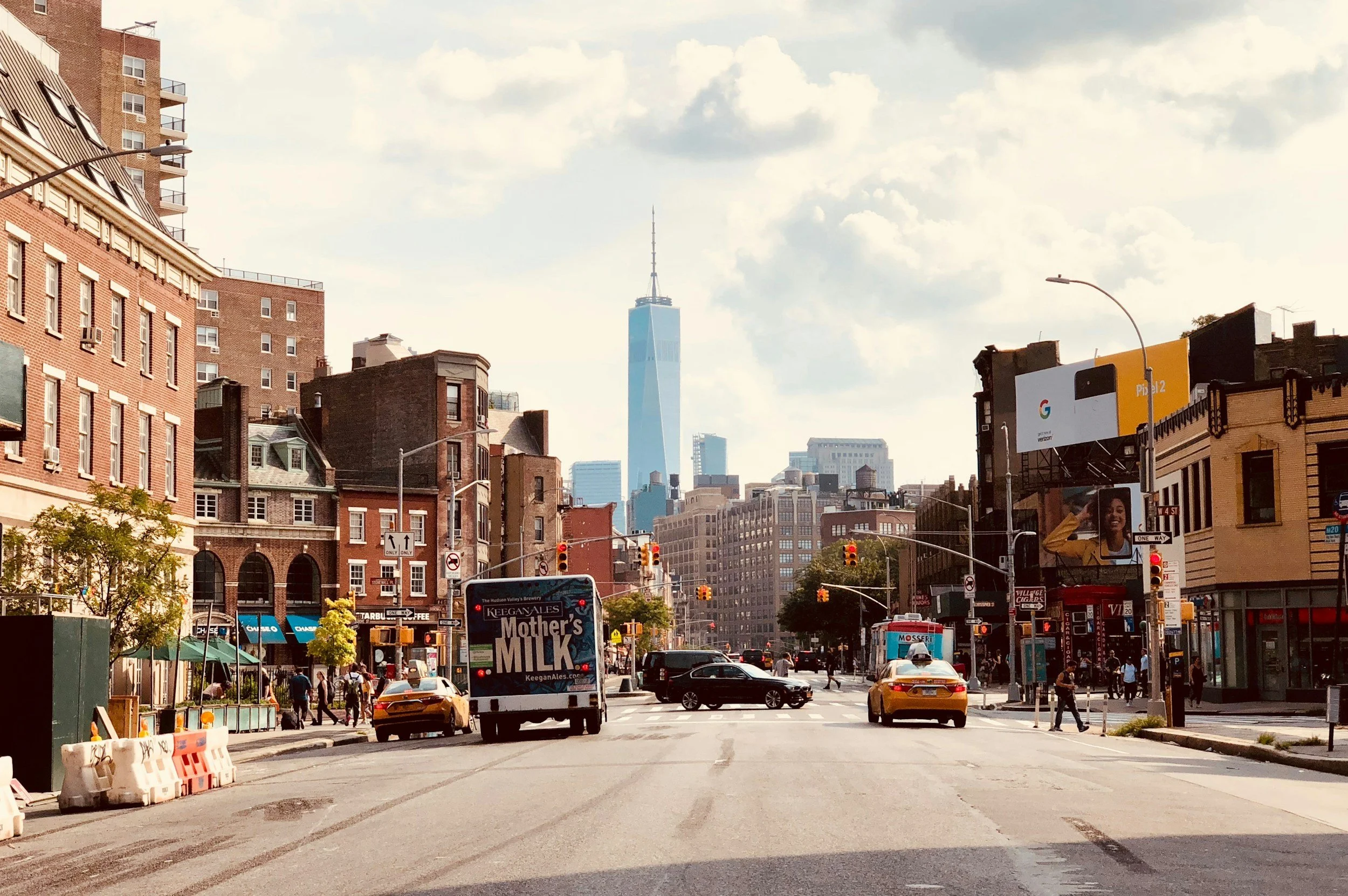
Lower Manhattan – Great for history, nightlife, and walkability
Midtown – Central location near Times Square, Broadway, and major transit hubs
Chelsea – Trendy, artsy, and well-connected without being too chaotic
Manhattan is also where you’ll find the largest selection of hotels, making it the easiest option for first-time visitors.
Best Areas to Stay in Brooklyn

Brooklyn offers a more neighborhood-focused experience while still being close to Manhattan.
Brooklyn Heights – Quiet, scenic, and close to Lower Manhattan
Prospect Heights – Near Prospect Park, museums, and great food
Park Slope – Tree-lined streets, local vibes, and family-friendly
Carroll Gardens – Charming, relaxed, and well-connected
Brooklyn has fewer hotels, so it’s often better suited for Airbnb stays.
Queens Options
Some parts of Queens are also excellent for first-time visitors, especially Long Island City (not to be confused with Long Island). It’s close to Midtown Manhattan, has great subway access, and often offers better hotel value.

Areas That May Feel Inconvenient for First-Time Visitors
While every borough has something to offer, areas like The Bronx, Staten Island, Long Island, or neighborhoods far from major subway lines can feel inconvenient if it’s your first time in NYC. Longer commute times can eat into your sightseeing plans, especially if you’re only visiting for a few days.
Bottom line: Stay close to the action and near a subway line, you’ll thank yourself later.
To make planning easier, here are my NYC hotel recommendations. Every hotel listed is in a convenient, well-connected neighborhood, perfect for first-time visitors.
5. What Should You Know About the NYC Subway?The NYC subway runs 24/7, which is rare for a major city, and is one of the easiest ways to get around. That said, late-night service (roughly 12:00am–6:30am) runs less frequently and may include route changes, shorter lines, or shuttle trains—so always check signs and apps before boarding.
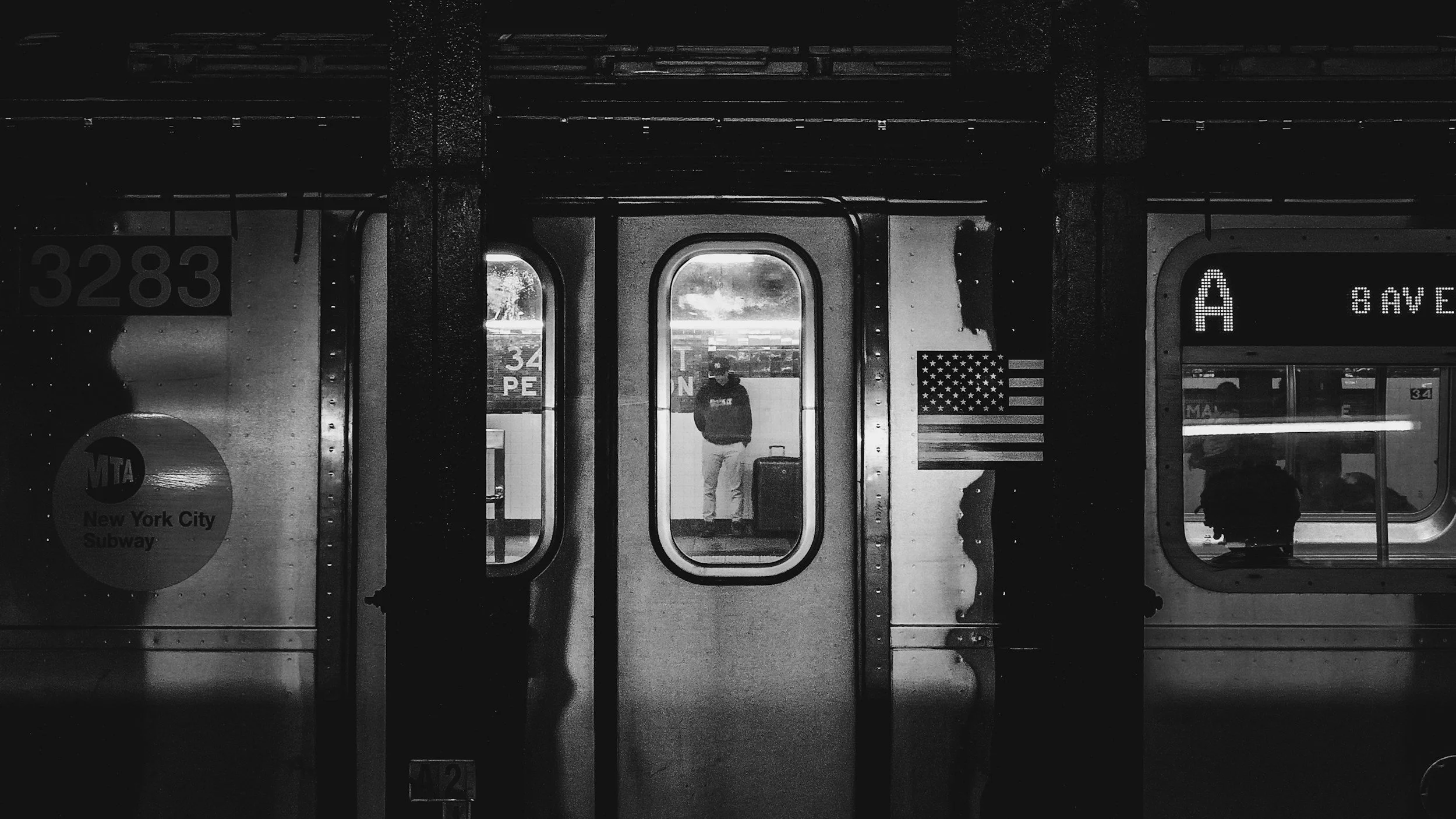
NYC Subway Tips for First-Time Visitors
Use OMNY or a MetroCard:
OMNY lets you tap your phone or contactless card, no ticket needed. MetroCards are still accepted if you prefer a physical card.Download navigation apps:
Citymapper and Google Maps are the most reliable for real-time subway directions, delays, and platform changes.Know local vs. express trains:
Express trains skip stops and are great when you’re in a rush, but make sure they stop where you need to go.Let riders exit before boarding:
This is serious subway etiquette in NYC. Don’t block the doors.Stand right, walk left on stairs:
Locals move fast. Standing on the left is a guaranteed way to annoy people.Check station access late at night:
Not all station entrances are open 24/7. Follow posted signs to find open entrances or exits.
Additional Subway Etiquette & Safety Tips
Avoid empty subway cars, especially late at night
Keep bags zipped and phones secure
Don’t stop at the top of stairs or turnstiles
If you’re unsure, ask—New Yorkers will usually help if you’re direct
Bottom line: The subway might look intimidating at first, but once you use it a few times, it’s fast, affordable, and way easier than sitting in traffic.
6. Is NYC Walkable—or Will You Be Exhausted?Yes, New York City is extremely walkable, but only if you plan smart.
How much you walk depends on:
Your comfort level with long days on your feet
The time of year you’re visiting
During winter (January–March), walking can feel brutal, especially in freezing temperatures or snow. In good weather, though, walking is hands-down the best way to experience NYC. You notice the details, stumble into random spots, and actually feel the city instead of rushing through it.
How to Walk NYC Without Burning Out
The key is breaking your days into walkable neighborhoods instead of crisscrossing the entire city.
Great areas to group:
Lower Manhattan
SoHo, Nolita, Little Italy, Chinatown, Financial District
Midtown
Times Square, Bryant Park, Fifth Avenue, Central Park South
SoHo & Surrounding Neighborhoods
SoHo, Nolita, Chinatown, Little Italy
Upper West Side
Central Park West, Lincoln Center, American Museum of Natural History
Upper East Side
Museum Mile, Fifth Avenue, Central Park East
Chelsea & The High Line
Chelsea Market, The High Line, art galleries
Greenwich Village
Washington Square Park, cafés, comedy clubs, boutique shopping
Plan to walk within one area, then take the subway between neighborhoods. This keeps you from doing 25,000 steps before dinner.
7. Best Time of Year to Visit New York CityNew York City is amazing year-round, but the best time to visit depends on what you want to experience and how much you can tolerate the weather and crowds.
Best Overall Weather: June–October

If you want the most comfortable weather, June through October is your best bet. You’ll get:
warm temperatures
longer daylight
lots of outdoor events and festivals
great walking weather
Fall: November
November can be chilly, but it’s still a great time to visit—especially if you like:
fall foliage
fewer crowds than peak summer
cozy coffee shops and indoor activities
Holiday Magic: December
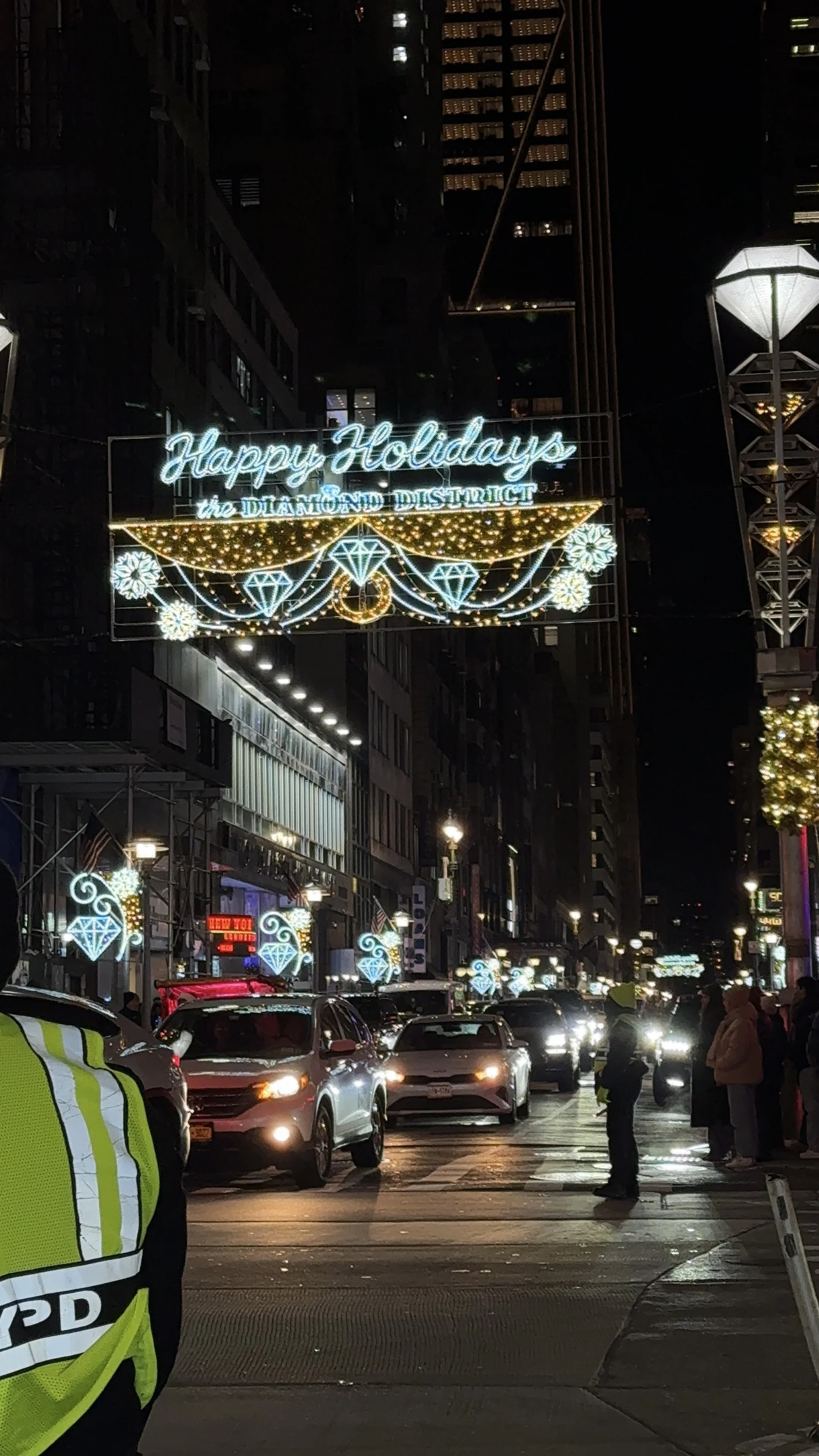
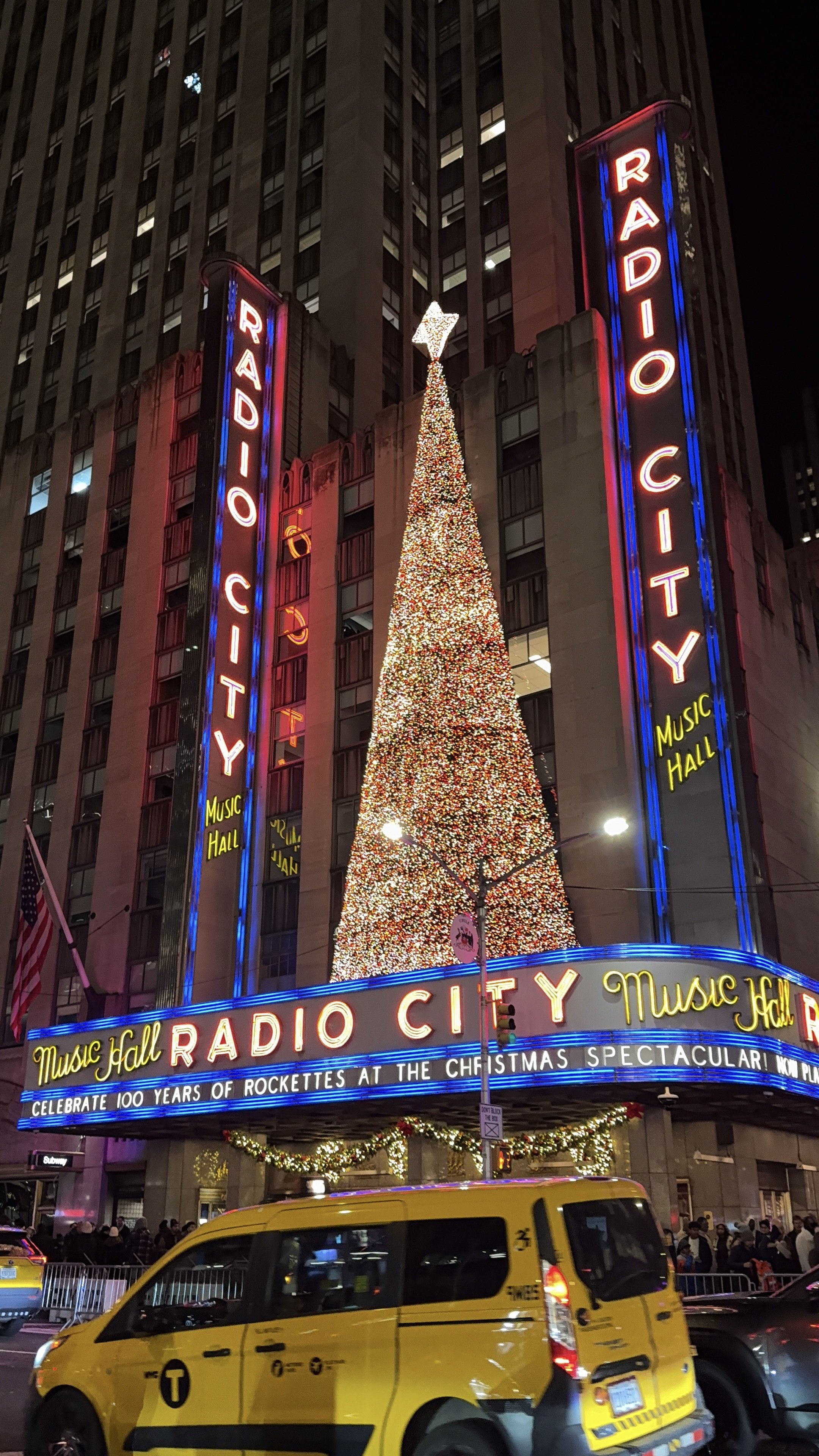
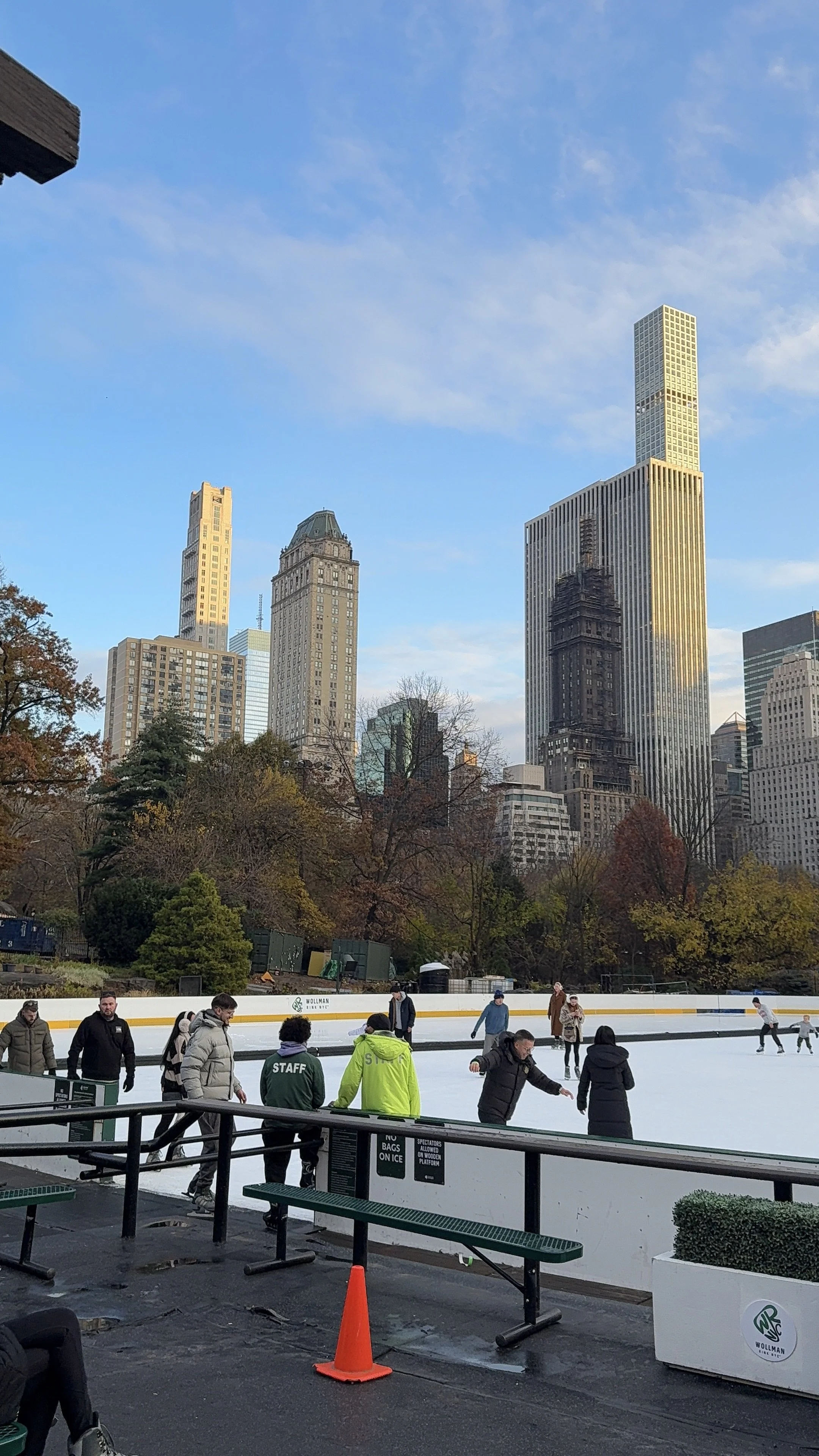
December is magical in NYC, but it’s also busy. If you visit during the holiday season, you’ll get:
the Rockefeller Center Christmas tree
holiday window displays
Radio City Rockettes
ice skating at Bryant Park
festive markets and decorations everywhere






Winter (January–March)
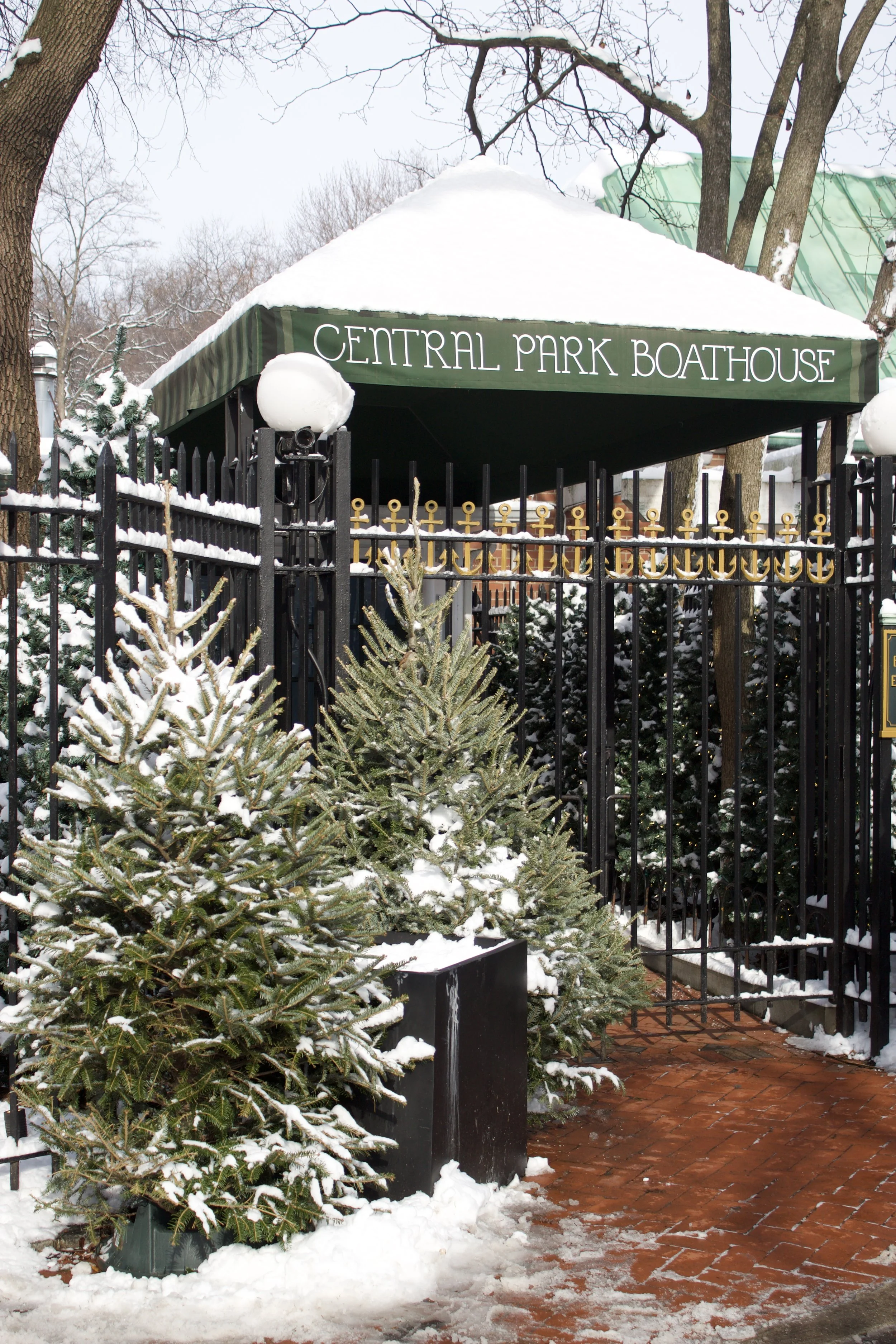
Winter can be cold, snowy, and sometimes windy—but if you don’t mind the weather, it’s a quieter time to visit. You’ll find:
fewer crowds
cheaper hotel rates
shorter lines at attractions
Spring (April–May)
Spring is another great time to visit. The weather starts warming up, parks bloom, and the city feels fresh again.
Bottom Line
There’s no bad time to visit NYC; it just depends on what kind of trip you want.
Want the best weather? June–October
Want fall vibes? November
Want holiday magic? December
Want lower prices and fewer crowds? January–March
8. How Early Should You Book Restaurants & Attractions?If you want your NYC trip to feel smooth (and not stressful), booking early is key. As soon as your flight and hotel are booked, start reserving the things you really want to do.
Restaurants
New York City is full of amazing food, but the best spots fill up fast.
Popular restaurants: book 1–2 months ahead
Weekend dining: book even earlier
Lunch reservations: easier to snag than dinner
Walk-ins: possible, but expect long waits
Tip: If you want a famous restaurant, don’t wait until the week of your trip. You’ll miss out.
Attractions
Some NYC attractions are more time-sensitive than others.

Top Of The Rock
Top observation decks (Top of the Rock, The Edge, SUMMIT): book early
Empire State Building: tickets sell fast during peak seasons
Museum timed-entry: plan for weekends

Harry Potter And The Cursed Child on Broadway
Broadway Shows
Broadway is one of the biggest reasons people visit NYC. If you want a specific show or a popular seating section:
Book as early as possible
Same-day tickets can work, but only if you’re flexible
Use TKTS booths or apps for discounted last-minute tickets
What You Can Wing
Some things you can decide last-minute:
casual restaurants (especially in less touristy neighborhoods)
outdoor activities (Central Park, Brooklyn Bridge)
smaller museums
Bottom Line: Some things in NYC can be spontaneous, but popular spots sell out fast. If there’s something you truly want to do, book it early so you don’t end up disappointed.
9. NYC Airports: What You Should KnowNew York City has three major airports, and each one is a little different. Knowing which airport you’re flying into can save you time, money, and stress.
JFK (John F. Kennedy International Airport) – Queens
JFK is the largest airport and handles most international flights.
Getting to/from JFK:
AirTrain + subway (cheapest option)
Uber or taxi (fast but can be expensive)
Airport shuttles (good if you have lots of luggage)
LGA (LaGuardia Airport) – Queens
LGA mainly handles domestic flights and is closer to Manhattan than JFK.
Getting to/from LGA:
Bus + subway (cheapest option)
Uber or taxi (most convenient)
EWR (Newark Liberty International Airport) – New Jersey
Newark is not technically in New York, but it’s very close and a major airport option for NYC travelers.
Getting to/from EWR:
NJ Transit or Amtrak + subway (cheaper option)
Uber or taxi (more direct but pricey)
Transportation Tips for NYC Airports
JFK & LGA are about 20 minutes apart (without traffic), but traffic is often unpredictable.
AirTrain is the easiest way to connect from JFK to the subway.
Uber shuttles run between Times Square and airports.
From Brooklyn, Uber to the airport can cost $70–$100+, depending on traffic and time of day.
Public transportation is cheaper but slower—plan accordingly.
Final Thoughts
New York City isn’t meant to be done perfectly. You won’t see everything in one trip, and that’s okay. The city rewards curiosity, flexibility, and good walking shoes.
If you go in with the right expectations, you’ll leave feeling excited, inspired, and already planning your next visit.
If you’re planning your first NYC trip, save this post and check out my beginner-friendly NYC guides below, including:
where to stay
what to do solo
how to explore NYC without overspending
You don’t need to do it all—just do it the right way.
xoxo, Khadija

You Might Also Like…